Before the engines rumble and the rods are rigged, there’s a subtle ritual on every serious Cabo fishing charter: the bait box check. Sardines glitter like silver treasure, caballito swim in tight circles, and sometimes mackerel flash gold in the sun. A perfect morning in Cabo San Lucas begins with possibility—and the cabo fishing report with bait usage and techniques is the seasoned angler’s roadmap for making every minute count.
Unlike the one-size-fits-all mentality of many global fisheries, Los Cabos is a chameleon. What works on the Pacific side at sunrise may be irrelevant by mid-morning in the Sea of Cortez. Understanding how bait interacts with moon phases, clarity lines, wind drifts, and seasonal patterns is a craft of its own—and the heart of what turns a boat ride into a brag-worthy fish tale.
When you hear a captain mention “perfect moonlight” or “dirty green break,” you’re stepping into the nuance-rich world of Cabo’s fishing culture. It’s not just about dropping a line and hoping. It’s about reading the signs—both natural and digital. The cabo fishing report with bait usage and techniques isn’t a dusty ledger—it’s a modern fusion of tradition, technology, and tactical know-how.
Fishing in Cabo is art supported by science. Terrafin satellite imagery, ROFFS ocean analysis, and Starlink Wi-Fi on board have revolutionized how we approach the water. Long gone are the days of blindly trailing lures in open blue. These days, captains pull high-resolution chlorophyll breaks and temperature charts during the run-out—hunting warm ridges, bait-rich water pockets, and thermoclines where striped marlin, wahoo, and dorado stage their feasts.
In Cabo, you don’t just use bait—you wield it.
Striped marlin can be moody artists, ignoring plastics and slapping lures with their bills for sport. But live caballito, slow-trolled and dancing, often gets their attention like a Vegas showgirl with a spotlight. Meanwhile, tuna require chumming with live sardines until they break the surface in boiling explosions. A good cabo fishing report with bait usage and techniques highlights what species are showing up where, and more importantly, what they’re actually eating.
Here’s a quick look at bait preference by species, according to season and water conditions:
Striped Marlin: Year-round availability, especially December to June. They’ll bite mackerel, caballito, or live ballyhoo, but prefer slow-pitched live bait around 77–80°F temperature breaks.
Yellowfin Tuna: May to October. Workups with live sardines are a must. Chunking with dead bait can also get results, especially in the heat of summer.
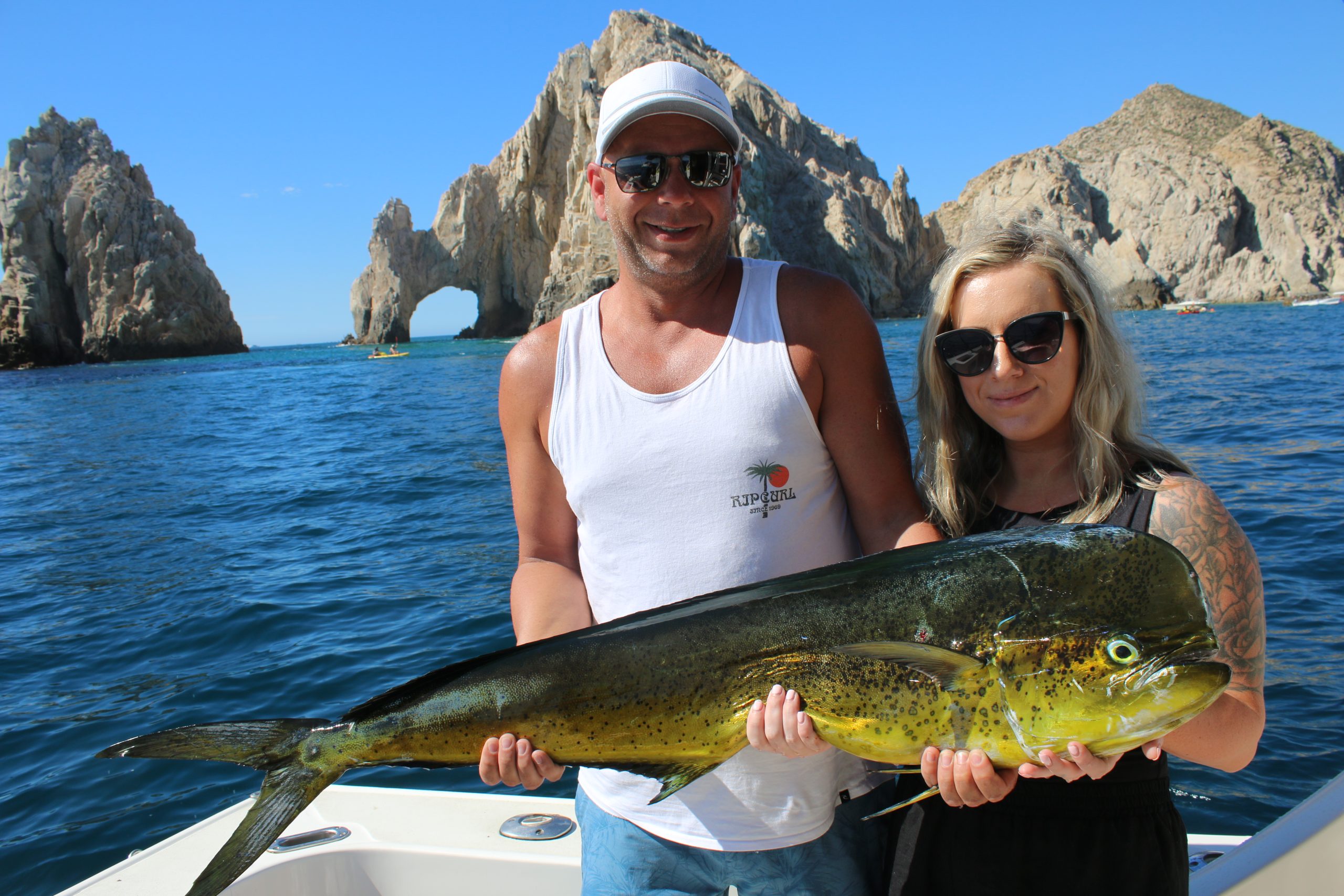
Dorado (Mahi-Mahi): Peaking in August to November. These bright acrobats love anything flashy—live bait tossed near floating debris or seaweed mats often gets inhaled.
Snapper & Grouper: Bottom dwellers need bottom strategy. Fresh cut bait fished on heavy gear near underwater structure is key. Grouper especially respond to fresh dead sardines dropped with precision.
Roosterfish: April to July. Big, angry, and coastal—they crush live mullet or caballito in shallow surf zones. Surface baiting here is an adrenaline sport.
Sailfish: Show up primarily June to September. Like marlin, they’ll often favor ballyhoo or caballito slow-trolled near temperature edges.
Wahoo: Peak bite in fall and winter. Fast trolling with rigged dead bait like ballyhoo or small tuna works well—especially near drop-offs.
Sharks: Opportunists. Chunk baits work well when targeting specific species, especially makos in cooler water.
No cabo fishing report with bait usage and techniques is complete without diving into the variables. Weather shifts and oceanic rhythms are as important as the bait itself. These are some of the major players influencing success on the water:
Wind Speed & Direction: High winds churn the sea and reduce visibility for both bait and predators. On these days, chunking or fishing deeper with scent-heavy bait works better.
Water Clarity: Marlin love clean, cobalt water. If conditions are green or off-color, shift gears to lures or scented bait. Look for clarity breaks—often revealed via Terrafin charts—to find hunting zones.
Moon Phase: Full moons often trigger nighttime feeding, making daytime bites trickier. Live bait needs to be even more seductive to trigger interest. New moon periods usually yield higher daytime action.
Water Temperature: Wahoo and tuna love warm rips; billfish move with the thermoclines. Terrafin overlays help determine precise bait placement zones, giving captains the edge to position their spread accurately.
Here’s where it gets thrilling. You don’t need a 12-hour offshore mission to catch something epic in Cabo. The 6-hour charter is an unsung hero—a window of adventure where planning matters more than time.
A properly analyzed cabo fishing report with bait usage and techniques empowers you to make the most of every minute. Maybe that’s heading 3 miles off Lands End at sunrise with ballyhoo for sailfish. Or perhaps it’s dropping cut bait over a reef off the East Cape to tempt a trophy grouper.
On a 6-hour trip, you’re typically running 10–20 miles, max. You might fish directly out front, drift by the lighthouse, or explore inshore ledges teeming with life. Success is dictated not by distance, but by decision-making—weather, bait, and tech all play pivotal roles.
We live in a world where boats can pull real-time Terrafin data via onboard Starlink Wi-Fi while bouncing through a 2-foot swell at 20 knots. Let that sink in.
Modern captains use ROFFS data before trips to plot strategies. These maps show where water temps spike, where plankton is concentrated, and how recent currents have shaped the fishing grounds. Then, on the water, they tap Starlink to check on-the-fly data, get weather alerts, or even receive tournament standings.
This kind of tech integration is transforming sportfishing—and every serious cabo fishing report with bait usage and techniques now includes references to these tools. It’s not just about luck anymore. It’s about smart, tactical deployment of bait in the right places.
Every trip starts the same way: a dream. But every trip unfolds differently, and that’s what makes Cabo magic.
Some days, you’ll troll blue water with marlin tailing your baits under a glassy sun. Other days, you’ll drift a reef 15 minutes from shore and pull up snapper two at a time, laughing the entire way. What binds it all together is preparation—the dance between live bait, rigged dead, artificial presentation, and technology.
A successful cabo fishing report with bait usage and techniques doesn’t offer guarantees. Instead, it offers probabilities based on patterns. It’s the decision tree of the day. A strategy, not a script. It guides captains who know that some of the best bites happen one mile off the rocks… and others 20 miles toward Cerritos in deeper blue.
TripAdvisor’s highest-rated captains all share a trait—they go where the fish are. Period.
If a striped marlin was raised at 9 miles off Chileno on live bait two days ago, they know. If a pack of dorado showed up near floating debris 5 miles offshore yesterday, they adapt. This is why working with your captain before and during the trip is key. The cabo fishing report with bait usage and techniques becomes a living document, morphing with real-time data, shared dock info, and your captain’s own logbook.
Whether you’re slow-trolling mackerel, casting a sardine to a schooling dorado, or watching a roosterfish crush a surface bait near the rocks—it’s all part of the narrative. Cabo doesn’t just offer fishing. It offers cinematic moments.
Each pull, each bite, each photo snapped under the Baja sun tells a story that’s bigger than the fish. The joy lies in the process—the gear, the conditions, the chase, and the unexpected twist when a sailfish shows up 10 minutes before lines in.
A 6-hour trip in Cabo is the highlight reel compressed. No wasted time, no long offshore runs just for show. With the right prep, the right bait, and the right captain armed with a detailed cabo fishing report with bait usage and techniques, you’re in position for glory.
It all comes down to this: Cabo isn’t just one of the best fisheries in the world—it’s one of the most versatile. Whether you’re targeting bluewater pelagics, stalking inshore bruisers, or trying to check marlin off your bucket list, every trip is a custom-tailored story.
And that story always begins with planning. With strategy. With the hum of a bait tank and the soft glow of a satellite map in the cabin. That’s the heartbeat of every great cabo fishing report with bait usage and techniques—a call to action, a map to possibility, and an invitation to a once-in-a-lifetime moment on the water.
At Fishing Report Cabo, we have a diverse fleet of fishing vessels ready for your adventure. Whether you’re a seasoned pro or a beginner, our well-equipped boats are designed to provide you with an unforgettable fishing experience.
Los Cabos is renowned for its deep waters, which are teeming with popular fish species, including Marlin, Tuna, Sailfish, Wahoo, and Mahi-Mahi. This rich marine life makes Cabo one of the most sought-after fishing destinations worldwide. No matter your skill level, you’re guaranteed to enjoy an exciting day on the water!

Copyright © Cabo Fishing Yachts– All Rights Reserved